
Why Refillable and Rechargeable Vapes Are Taking Over the UK Market
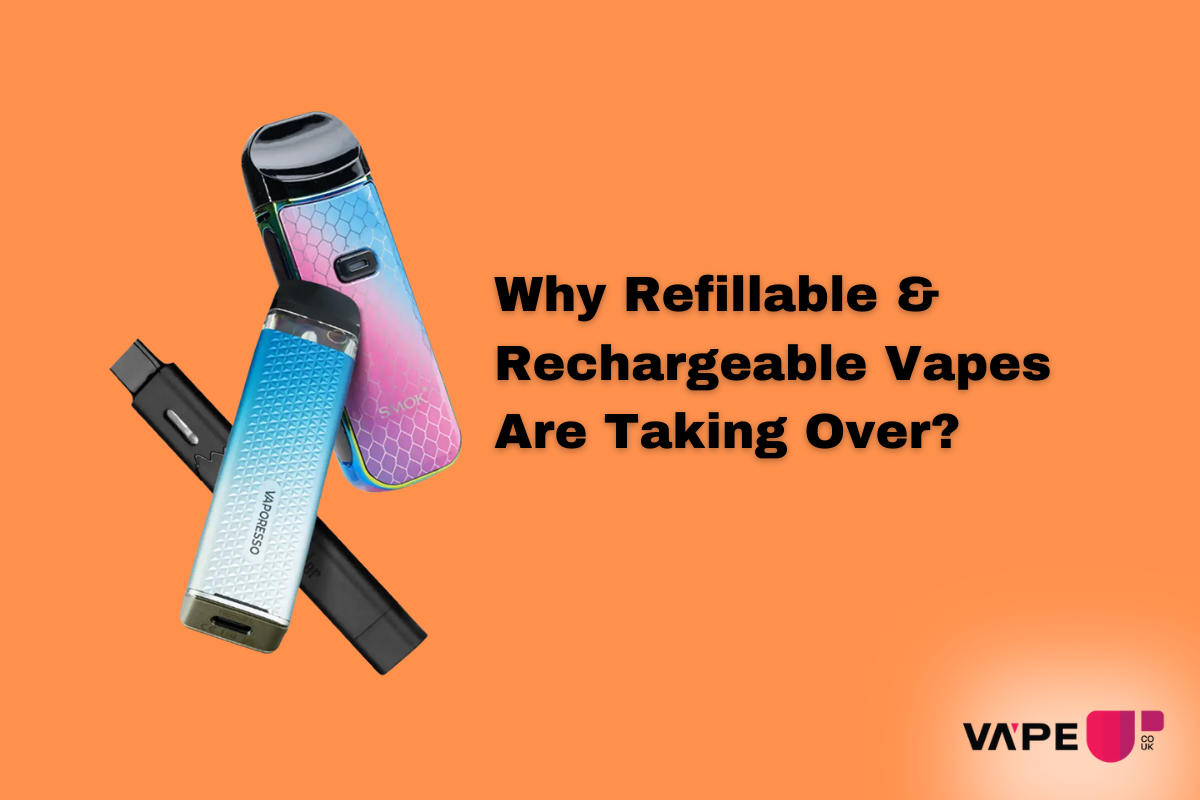
The UK vape market didn’t slowly change. It flipped. One day, disposable vapes were part of daily routine. The next, they were no longer allowed. That single decision reshaped the entire industry and pushed millions of users toward refillable and rechargeable vapes. What started as a legal move quickly turned into a practical one, and now, refillables are clearly in charge.
This shift didn’t happen for just one reason. It happened because refillable vapes fit better with the new rules, real costs, and how people actually live.
The Ban that Triggered Everything
On June 1, 2025, the UK banned single-use disposable vapes. The reason was simple and serious. More than five million disposable vapes were being thrown away every week. Most contained batteries and plastics that were rarely recycled. At the same time, concerns about underage vaping were rising fast.
The new law left no room for confusion. Any vape sold legally now has to be rechargeable and refillable. That instantly made refillable devices the only option for both shops and users.
Once disposables disappeared, refillables didn’t just fill the gap they became the new standard.
Most Users Chose to Switch, Not Quit
Many people expected users to stop vaping after the disposable vape ban. That didn’t happen. Around 85% of former disposable users moved to refillable and rechargeable vapes instead.
Why? Because the habit didn’t disappear only the product did. Once people tried refillable devices, many realised the change wasn’t as difficult as they feared. Charging a device became normal. Refilling took seconds. The learning curve was short. After that, it just became routine.
The Cost Difference Changed Minds Fast
Disposable vapes always felt cheap at first. A few pounds here and there didn’t seem like much. But over time, the cost added up quietly. Regular disposable users could easily spend over £1,200 a year without noticing. Refillable systems changed that completely.
A bottle of e-liquid costs less and lasts longer. Parts need replacing, but not every day. Over a year, many users now spend around £250 to £300 instead. That kind of saving makes a real impact. For many people, refillable vapes stopped feeling like a forced switch and started feeling like a smarter choice.
Less Waste, Less Damage
Disposable vapes created a huge waste problem. Each one carried a battery, metal, and plastic. Most ended up in landfill. Some even caused fires in waste centres.
Refillable and rechargeable vapes cut that waste by up to 95%. One device can be used for months or years. Only small parts are replaced, and batteries are reused instead of thrown away. This shift moved vaping away from a throwaway habit and toward something more responsible. For many users, that matters more than they expected
More Control for Everyday Users
Refillable vapes also give users more control. With disposables, everything was fixed. Same nicotine level. Same performance. No way to adjust. If it didn’t suit you, there was no solution.
Refillable systems allow users to choose different nicotine strengths and adjust over time. Some people slowly reduce their intake. Others just enjoy having options. Battery life is more reliable, and the experience stays consistent throughout the day. That sense of control makes refillable vapes easier to stick with.
Convenience Didn’t Disappear — It Evolved
One big worry after the ban was convenience. Disposables were simple. People didn’t want complicated replacements.
The industry adapted quickly. Many refillable devices now work the same way disposables did. No buttons. No settings. Just inhale and use. Charging feels no different from charging a phone.
Once people adjusted, refillables felt just as easy without the waste or high cost.
Why Refillables Are Now the UK Standard?
Refillable and rechargeable vapes are taking over the UK market because they have to and because they work. The ban forced change, but real benefits kept it moving forward. Lower costs, less waste, better control, and everyday convenience turned refillables into the obvious choice.
This wasn’t about hype or trends. It was about replacing something that no longer made sense. And once people made the switch, most didn’t want to go back.